

Collaboration as the Catalyst for Social Impact
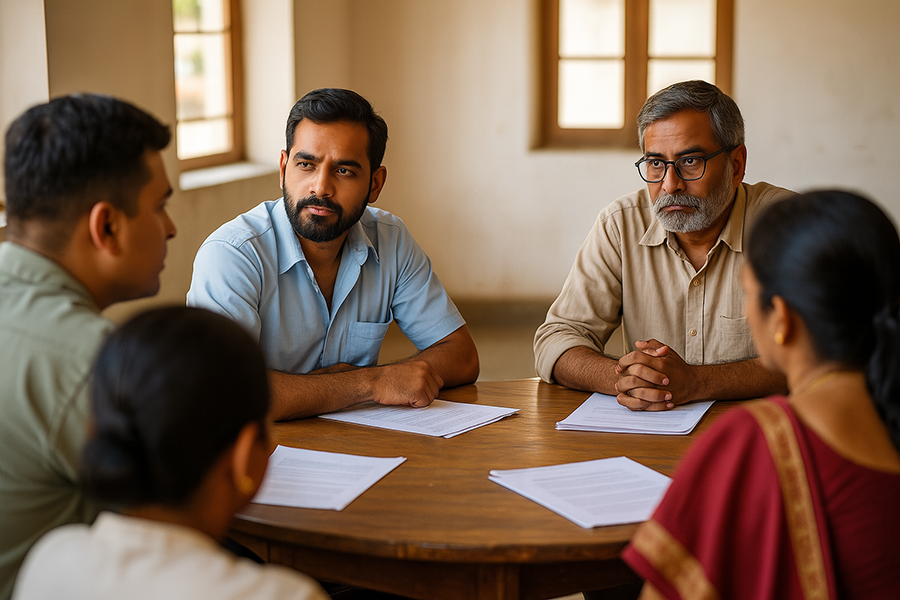
In the dynamic landscape of the development sector, collaboration emerges as a powerful force, often cited as the linchpin for sustainable and scalable social change. However, the path to effective collaboration is not always clear, and the sector grapples with finding models that transcend the realm of unfulfilled promises. This blog explores five collaborative models, each offering a unique approach to fostering sustainable impact, shedding light on the processes needed to bring them to fruition.
1. Technical Collaborations: Bridging Skill Gaps for Mutual Growth
The first model revolves around addressing specific technical shortcomings within organisations through partnerships. For instance, when organisation A struggles with fundraising, a collaboration with organisation B, specializing in fundraising, creates a symbiotic relationship. These collaborations thrive on a clear quid-pro-quo dynamic, sustaining themselves as long as there is a mutual need.
2. Relationship-Based Collaborations: Nurturing Connections for Collective Progress
Driven by the necessity to connect with specific stakeholder segments, relationship-based collaborations become the focal point. When organisation A, equipped with funding, aspires to enhance education in a district, teams up with organisation B, possessing expertise in government relations, becomes instrumental. These partnerships, rooted in softer skills like relationship building, evolve gradually, often shaped by the equation between the leaders of the collaborating organisations.
3. Sector-Specific Collaborations: Uniting Forces for Sectoral Transformation
- Bringing Expertise Together: Sector-specific collaborations center around bringing organisations operating in a particular sub-sector together.
- Ideation and Implementation: This model aims to articulate sectoral challenges, ideate on solutions, and collectively implement and advocate for change.
- Diverse Perspectives: Such collaborations harness diverse expertise, offering a platform to learn from different perspectives and present a united voice to influence the external ecosystem.
4. Geographic Collaborations: Holistic Development in Local Contexts
- Localized Holistic Approaches: Geographic collaborations focus on uniting organisations working in specific geographical areas, be it a district, state, or region.
- Systems Thinking: The objective is to develop a holistic, systems thinking-driven, cross-sectoral view of development for that particular geography.
- Silo-less Solutions: This approach rests on the belief that understanding local context is paramount in the development space, where standardized approaches often fall short.
5. Ecosystem Collaborations: Orchestrating Comprehensive Development Initiatives
- Inclusive Stakeholder Engagement: Ecosystem collaborations transcend organisational boundaries to bring together stakeholders across the development spectrum.
- Comprehensive Decision-Making: The goal is to ensure comprehensive discussions covering all viewpoints, fostering decisions that encompass the diverse facets of development.
- Power of Intervention: Imagine the power of an intervention which has political buy-in, is supported by the government machinery, has a funder backing it, and has been evolved ground up using participatory approaches.
From Bilateral to Strategic Relationships
Transitioning from technical collaborations to ecosystem collaborations amplifies the complexity of stakeholder management. The move involves handling multiple parameters, including the number of stakeholders, diverse viewpoints, varied agendas and egos, and a shift from transactional to strategic relationships. Challenges emerge in decision-making, sustaining interest, and motivation over time. However, the potential benefits and possibilities of bringing about sustainable social change on a large scale also increase with this progression.
The Founder-Centric Quandary
The shift towards holistic collaborations introduces challenges, particularly in founder-centric models. Often driven by passion and intent, these models may lack the necessary knowledge, skills, and infrastructure to manage multi-sectoral operations. Sustainability and growth become elusive, highlighting the need for a more strategic approach to organisational building.
Beyond Collaboration Models
Beyond the strategic choices in collaboration models, the narrative crafted by social organisations becomes a potent tool. The narrative not only defines an organisation’s essence but also resonates with the lives it aims to transform. This storytelling aspect is crucial, going beyond operational decisions to create a compelling story of change.
Development Management Paradigm
Amidst the complexities of collaboration, the paradigm of development management emerges as a crucial guiding force. Development management entails the strategic orchestration of efforts to drive impactful change in social organisations. Integrating development management principles becomes imperative, aligning initiatives with overarching goals and navigating the intricate web of challenges.
Steering Towards Sustainable Change
As the development sector grapples with collaboration models, the narrative takes center stage. It goes beyond being a strategic choice, becoming a narrative that defines an organisation’s essence. The choices organisations make should align with their mission, vision, and the communities they serve.
Embark on a Collaborative Learning Journey with ISDM
For a deeper dive into the intricacies of social development and collaborative strategies, explore ISDM’s Post-Graduate Program in Development Management. Equip yourself with insights that go beyond the conventional, empowering you to make meaningful contributions in the social sector. Discover more at ISDM and embark on a transformative journey.


