
Covid Action By Isdm Students

The year 2021 had started on a high note for ISDM’s students, as many students trickled into the campus for offline classes. Discussions were livelier, clubs were formed, and everyone made sure that COVID-19 appropriate behaviour was followed. However, the last leg of this cohort’s journey had to be shifted entirely online since India started grappling with the pandemic’s second wave. Given the grave nature of the situation, ISDM’s faculty facilitated spaces for students to reflect on their experiences and…

The year 2021 had started on a high note for ISDM’s students, as many students trickled into the campus for offline classes. Discussions were livelier, clubs were formed, and everyone made sure that COVID-19 appropriate behaviour was followed. However, the last leg of this cohort’s journey had to be shifted entirely online since India started grappling with the pandemic’s second wave. Given the grave nature of the situation, ISDM’s faculty facilitated spaces for students to reflect on their experiences and create a network of support for one another.


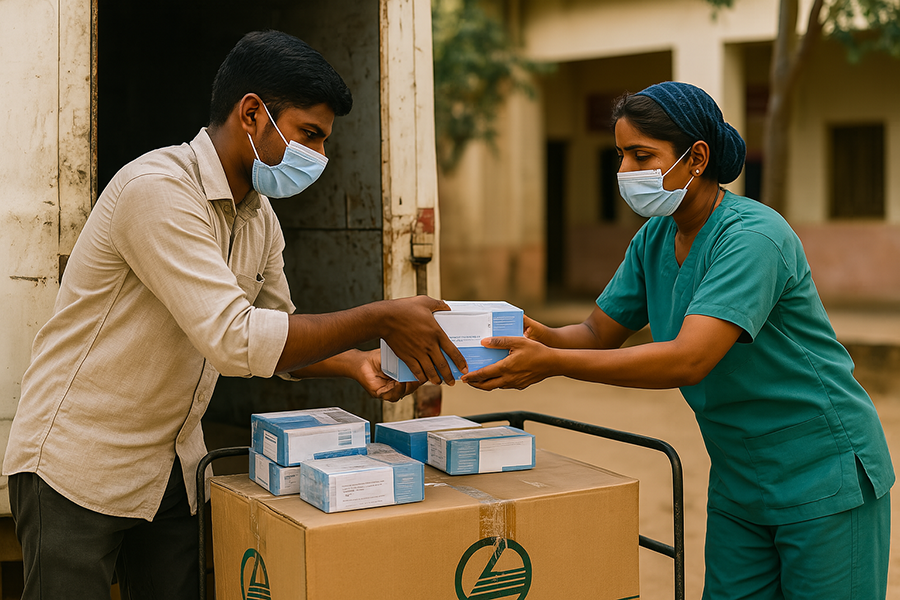
Three students from the cohort initiated and actively supported resource mobilisation efforts for citizens affected by COVID-19. They have been pouring all their energy into relief work while also coping with challenges that come with grassroots work during these testing times.

Krishna Vamshi, Blood warriors
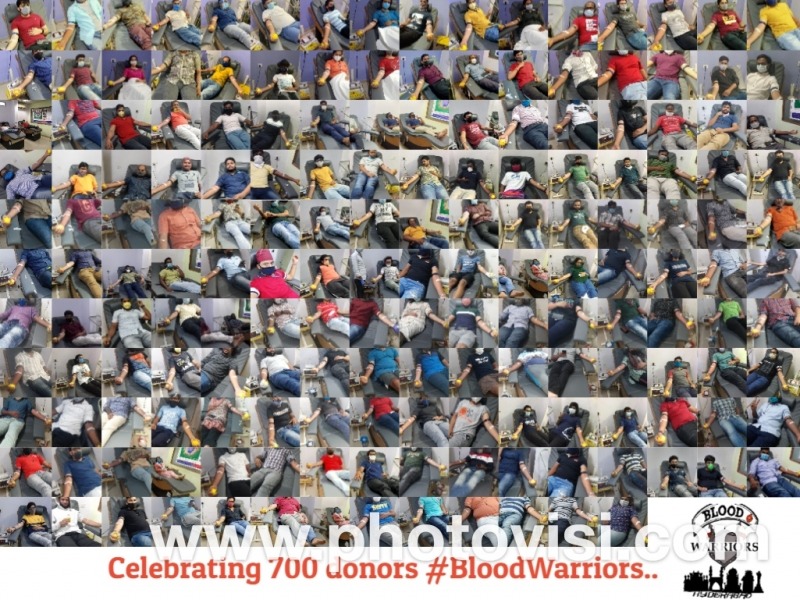
Krishna had started Blood warriors to support Thalassemia patients who need blood every twenty days. These patients’ lives have become uncertain due to the lockdown and the scarcity of blood donors. He and his team are using platforms like social media to mobilise blood donors who can support at-risk Thalassemia patients.

Apart from working with Blood Warriors, Krishna supports multiple organisations and individuals who are working full-time in Delhi, Uttar Pradesh and Hyderabad. He has been volunteering to fill gaps in information, resources and mobilisation. He has launched fundraisers with the community to raise more than 10 Lakhs to support patients who do not have the means to afford emergency treatment. Together with his team, he has raised funds to get oxygen concentrators, PPE kits and Pulse Oximeters for communities in need.

Investing time and effort into relief work has taken a toll on Krishna’s mental health. Confronting news of people’s death and suffering due to lack of resources have caused him multiple panic attacks for the first time. He feels that he is failing to remain strong despite trying to centre himself. However, his passion keeps him going:

“I always believe that I have a limited time on this planet, which technically means I can only do limited things in life. If I am lazy and don’t do anything in this limited time, I am cutting down on my experience of doing things. This keeps me going.”
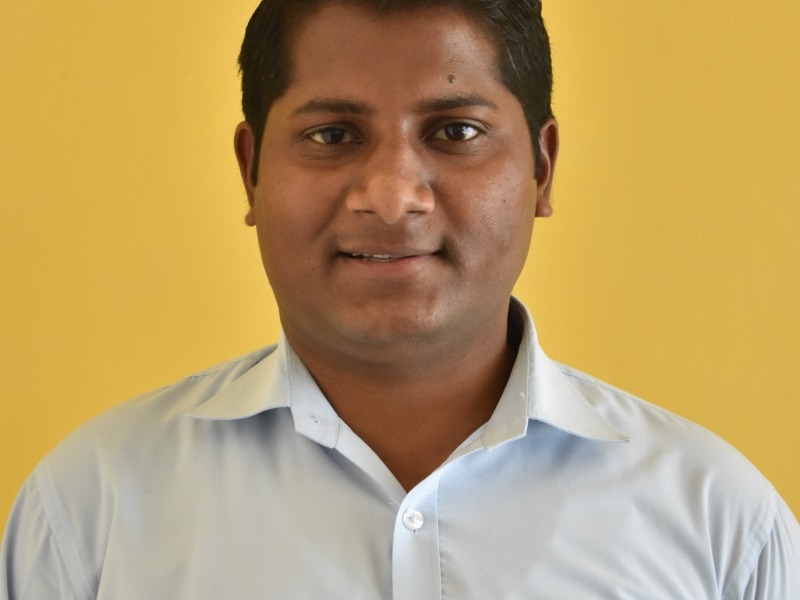
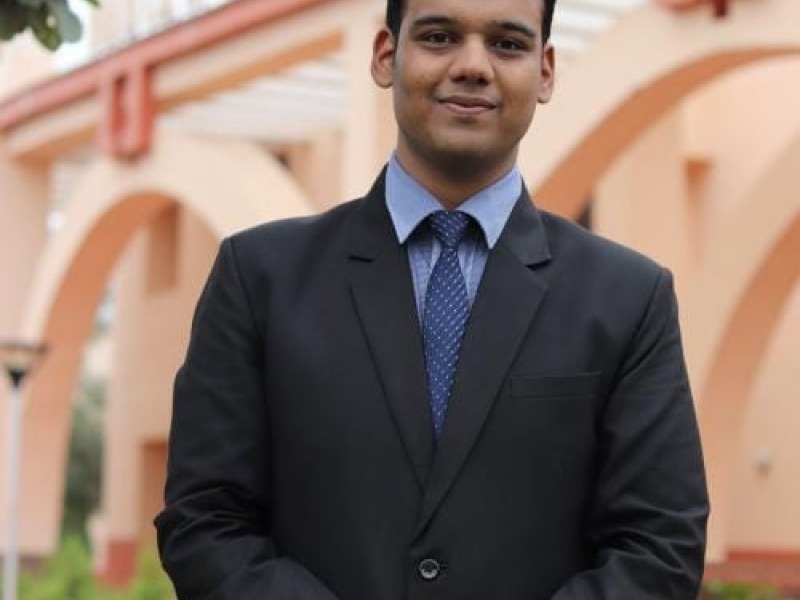
Sandeep Kumar, DigiSwasthya

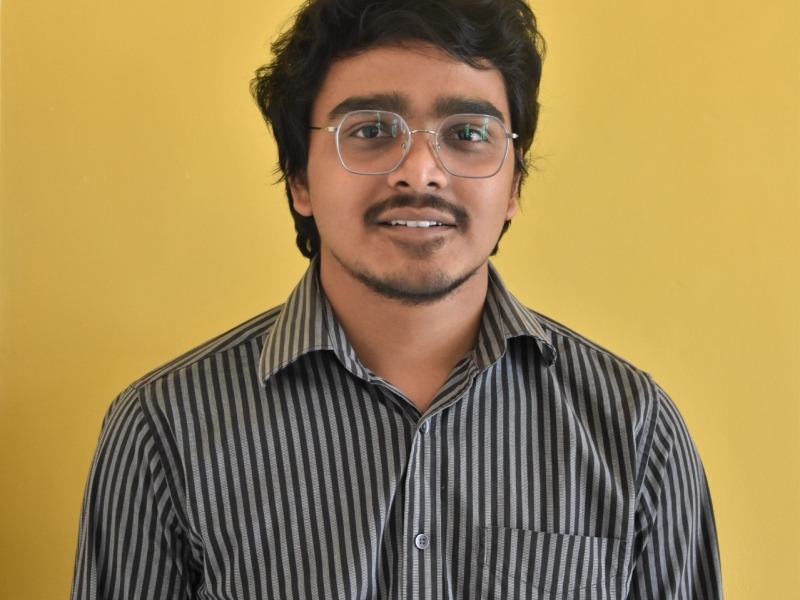
Sandeep, a cancer survivor, started DigiSwasthya, a section 8 registered telemedicine centre for people to access medical support remotely. The organisation is located in Sant Kabir Nagar, UP and is currently also operating as a COVID relief centre. Sandeep has been communicating with COVID patients since April 2021 to check their vital statistics and connecting them with doctors, hospitals, NGOs and resources for further care.

He finds the relief work a tremendously powerful experience wherein he juggles managing his organisation and attending to coursework, among other responsibilities. In collaboration with the team at DigiSwasthya, Sandeep has raised about 1.4 lakhs in funds for supporting patients with oxygen cylinders, oxygen concentrators, oximeters and other medical equipment. The organisation has also received support from donors. Their efforts have brought smiles to the faces of patients and their families. Moments like these are precious to him and keep him motivated.

Sandeep prioritises taking care of himself in these challenging times; sound sleep, proper diet and exercise have kept him going. He also finds solace in the support provided by his team and friends. They have been helping him with references, making phone calls, designing posters and other awareness-raising materials.

A highly committed and positive person, Sandeep says:

“It’s a journey; keep going! Together we can!”

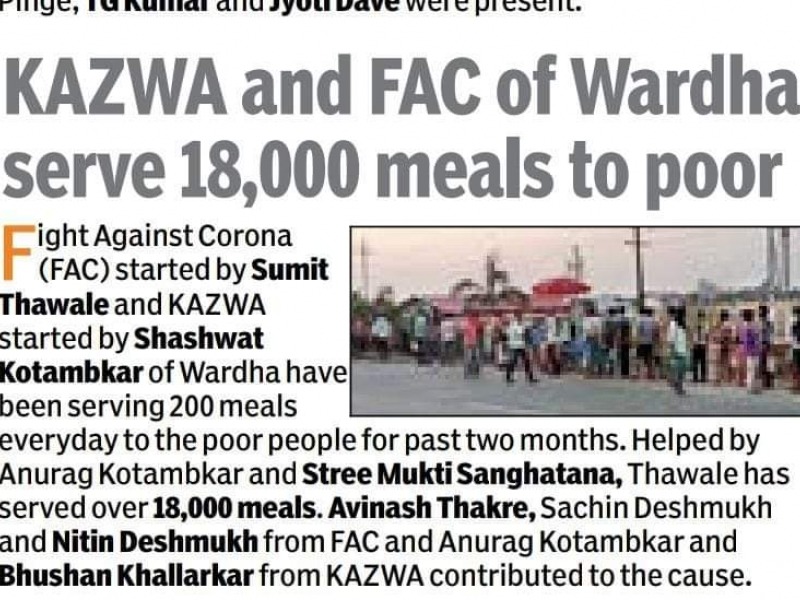
Shashwat Kotambkar, Kazwa

Shashwat’s organisation, Kazwa, has been working on the ground for a year to mobilise resources for COVID patients. Initially, they struggled to mobilise contacts to create a network, and that caused multiple logistical challenges. However, over the course of a year, they connected with willing volunteers who were eager to pour in time and energy for Kazwa’s initiative.

The second wave of the pandemic brought with it new challenges. His team of volunteers was losing motivation when available resources were exhausted at a rapid pace. To motivate his team of on-ground volunteers, Kazwa collaborated with other NGOs who helped them tide over challenges and raised the team’s morale.

Focusing on the mechanical aspects of the operation kept Shashwat from dwelling on the dystopian condition of the ecosystem around him. Leading Kazwa was a cathartic process that allowed him to reflect on the power of a collective and gain new perspectives.

Someone once told Shashwat, “Least you can do is own your privileges”, and it has stayed with him since.

Author(s) :

Arpita Sur

Yes

Get in touch with authors

No ratings yet

Rate this article

Yes

Key topics

Social Justice, Philanthropy and Human Rights

Also found in

Share

Join Our Newsletter

Explore More Articles

Paper / Report

Rethinking Impact: From Metrics to Meaning – Convening Report

How do we move beyond measuring impact as a reporting requirement to using it as a tool for learning, decision-making, and long-term change? This report captures the key discussions, insights, and emerging ideas from Rethinking Impact: From Metrics to Meaning, a convening that brought together funders, practitioners, researchers, evaluators, and development professionals to examine the future of impact measurement in India. Anchored around the launch of the Rural Development Impact Framework (RDIF) and the Development Management–Social Impact Measurement and Management (DM-SIMM) approach, the convening explored how the sector can better understand contribution, centre community perspectives, align funding with the realities of social change, and create measurement practices that support learning over compliance. The report synthesises the conversations, key takeaways, and actions that can help build a more thoughtful and effective approach to understanding impact.
Blog

Development Management: Genesis, Rationale, and the Foundations of an Emerging Discipline

Development Management (DM) arises at a junction that neither development studies nor mainstream management fully occupies on its own. Development thinking has traditionally concerned itself with what change is desirable and for whom, while management thinking has concerned itself with how collective effort gets organised and executed.
Paper / Report

A Methodological Framework for Assessing the Long-Term Impact of a Nonprofit’s Work in a Geography

This report presents the Rural Development Impact Framework (RDIF), a methodological approach for assessing the long-term impact of nonprofit organisations working within a geography. Drawing on realist evaluation, the framework shifts the focus from short-term, project-level attribution to understanding how sustained organisational engagement contributes to social change over time. Using PRADAN’s work in Gumla (Jharkhand) and Dhamtari (Chhattisgarh) as case studies, the research combines qualitative, quantitative, and geospatial methods to examine how interventions interact with local contexts to generate change. The study demonstrates that long-term impact emerges through the cumulative strengthening of livelihoods, institutions, collective agency, and governance systems, offering a practical framework for evaluating organisational contribution to rural transformation.
Paper / Report

DM-SIMM: A Funder’s Guide to Reflect, Learn, and Act on Social Impact

Across the social sector, impact measurement is often reduced to reporting numbers, meeting donor requirements, and proving results. In the process, opportunities for learning, adaptation, and meaningful decision-making are frequently lost. This guide explores how funders can rethink Social Impact Measurement and Management (SIMM) to prioritise continuous learning over compliance. Drawing on research, practitioner insights, and real-world examples, it offers practical ways to make measurement more useful, participatory, and responsive to the realities of implementation. The guide highlights the critical role of funders in shaping incentives, creating space for reflection, and enabling organisations to act on evidence. Ultimately, it presents a vision of impact practice that helps organisations learn, adapt, and stay focused on the change they seek to create.
We use essential and analytics cookies to operate this website and understand how visitors interact with it. As this site also functions as a login identity provider (IDP) for other ISDM portals, some cookies are necessary to enable secure authentication. By continuing to use this site, you consent to our use of cookies.